


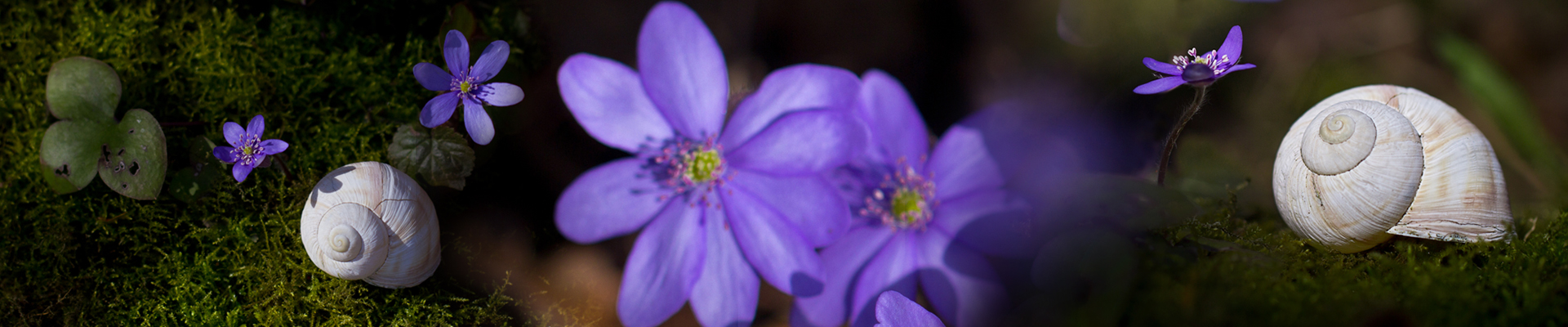

The Roman snail (or Burgundy snail) is a shell-bearing land snail and belongs taxonomically to the air-breathing land snails. It lives in open forests and prefers lime-rich soils. It is very heat-loving and stays close to its habitat.
An adult Roman snail grows up to 10 cm long and weighs about 30 g. The spirally coiled shell is made of lime and reaches a diameter of 3 to 5 cm. The snail is able to repair minor to moderate damage to its shell. The shell almost always has the shape of a right-handed screw. Only about one in 20,000 specimens is left-handed. These animals are also called 'snail kings'.
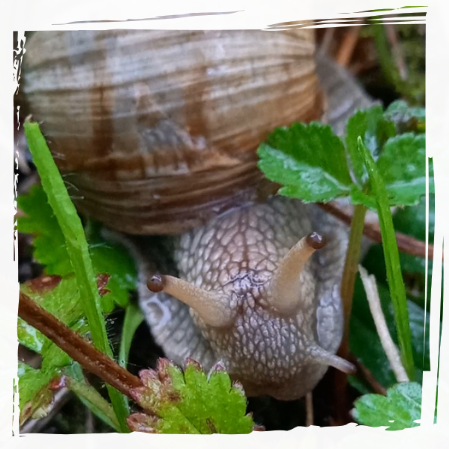
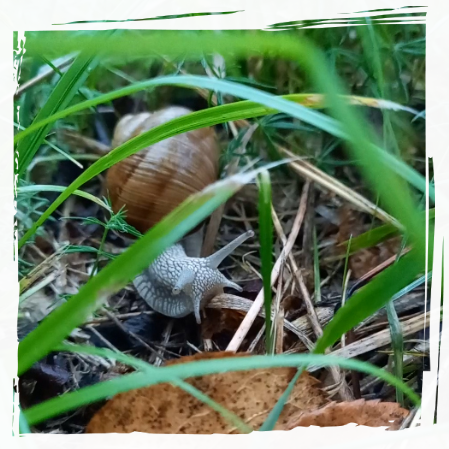
Behind the head, on the sole, is its muscular creeping foot. Using this foot, the Roman snail crawls across the ground, laying and leaving behind a moist trail of slime while carrying its shell. In the event of danger, it retreats into its shell. Its speed is approximately 7 centimeters per minute (4.2 m/h).
Roman snails spend the winter in a state of cold torpor. After consuming a food reserve, they burrow into the ground and withdraw into their shells.
In the wild, they can reach an age of eight years.